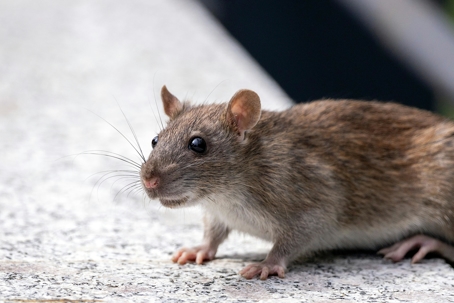
As the temperatures drop in Georgia, wildlife like squirrels, mice, rats, and bats start looking for warm, safe places to nest — and unfortunately, your home can seem like the perfect spot. Attics, crawlspaces, and wall voids provide shelter from the cold and easy access to food sources.
But how do you know if animals have moved in? Here are some of the most common signs of wildlife activity in your home, and how Procare’s Wildlife Experts can help you take back your space safely and effectively.
1. Strange Noises — Especially at Night
If you hear scratching, thumping, or scurrying sounds coming from the attic, walls, or ceiling, it’s often a clear sign of wildlife activity. Squirrels are most active during the early morning and evening, while rats and mice tend to move around at night.
These noises can indicate anything from a single mouse to a full nest of squirrels — and it’s best not to ignore them.
2. Unexplained Odors or Droppings
A strong, musky odor or small dark droppings in corners, attics, or crawlspaces often mean animals have been nesting nearby. The longer they remain, the more odors, waste, and bacteria can build up, creating potential health risks for your family.
Procare technicians are trained to safely identify and sanitize affected areas to prevent lingering smells or contamination.
3. Visible Damage or Entry Points
Wildlife can chew, claw, or gnaw through nearly any material to find shelter. Look for:
Holes near the roofline, soffits, or vents
Gnawed wires or insulation in the attic
Damaged ductwork or siding
Small gaps around pipes, vents, or crawlspace doors
Even a half-inch opening is enough for a mouse to squeeze through — and once inside, they can cause costly structural damage if not handled promptly.
4. Nests, Tracks, or Grease Marks
Animals often leave behind physical evidence. You might find shredded insulation, leaves, or paper used for nesting, or grease marks and dirt trails along walls and baseboards. These are signs of frequent travel routes — and a clear indication you’re sharing your space with uninvited guests.
5. Animal Sightings or Outdoor Activity
If you notice squirrels, birds, or other wildlife entering and exiting your roof or crawlspace, that’s a sign of a nesting site. Daytime activity usually points to squirrels or birds, while nighttime movement could indicate bats or rodents.
What To Do If You Suspect Wildlife in Your Home
If any of these signs sound familiar, don’t wait. Wildlife problems rarely go away on their own — in fact, they typically worsen over time.
The good news? Procare’s Wildlife Experts are here to help. Our team provides:
Free inspections to identify activity and entry points
Full exclusion work to seal your home and prevent re-entry
Trapping and live trapping for humane removal
Repairs, insulation replacement, and sanitation services to restore your home
Guaranteed, safe, and effective solutions you can count on
Depending on the scope of work, a follow-up visit may be required — especially for live trapping. According to Georgia DNR regulations, live traps must be checked every 24 hours. To make this easier, Procare can use trail cameras or remote monitoring devices to keep everything compliant and efficient.
Protect Your Home This Season with Procare
If you’ve heard noises in the walls, seen signs of damage, or just want peace of mind before winter, schedule your free wildlife inspection today. Our experts will assess your home, remove any unwanted guests, and make sure they stay out for good.
Fill out the contact form below, use our chat or text feature, or call us at 678-757-7089 to get started.
Learn more about our wildlife services at www.procarepest.com/wildlife.